Chronic Fatigue That Sleep Can't Fix: Why Sleep Disorders Must Be Addressed Together
Chronic fatigue that persists despite rest is often rooted in poor sleep quality and autonomic imbalance. Learn how Baha Korean Medicine Clinic addresses both together.
Hello. This is Baha Korean Medicine Clinic.
Many people try catching up on sleep over the weekend and take vitamins or fatigue-relief supplements regularly, yet still wake up every morning feeling heavy and exhausted. Chronic fatigue that does not resolve no matter how much you rest is not simply a matter of insufficient rest or low physical stamina.
The real issue is not the quantity of sleep, but a breakdown in sleep quality. When the structure of sleep is disrupted and deep sleep cannot be reached, the body is unable to complete the essential recovery processes that should take place overnight. This is precisely why sleep disorders must be examined alongside chronic fatigue when seeking treatment.
So what are the internal causes that interfere with deep sleep and lead to chronic fatigue?
First, autonomic nervous system imbalance.
Modern life exposes us to constant stress, overwork, and tension. As a result, the sympathetic nervous system remains overactivated at night just as it is during the day. When the sympathetic nervous system fails to calm down, the brain and body cannot enter REM sleep or deep non-REM sleep, leaving a person in shallow sleep throughout the night. In effect, the body continues to work even while sleeping.
Second, sleep-disordered breathing and heat accumulation in the upper body.
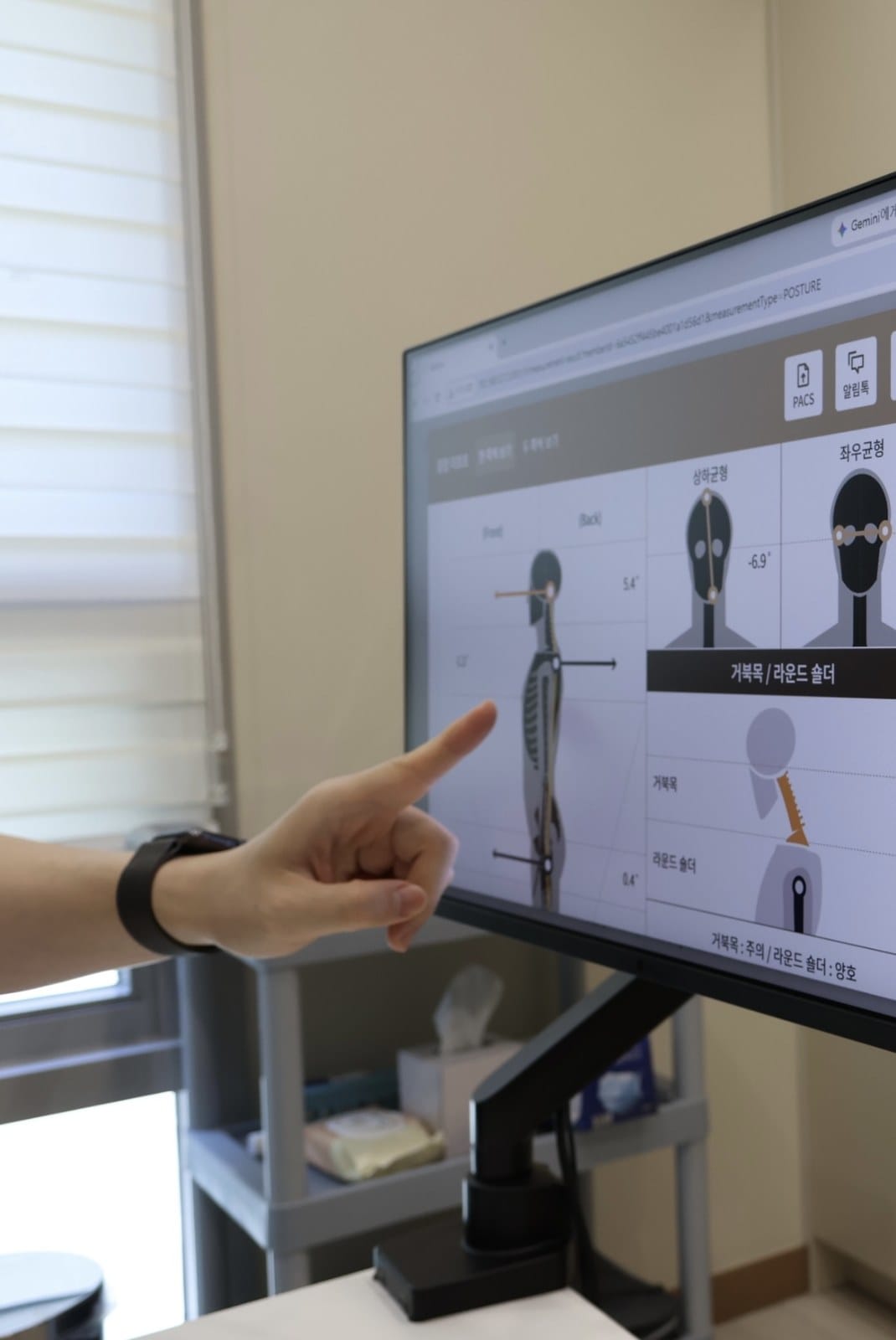
A narrowed airway caused by forward head posture (straight neck) or postural imbalance, or heat rising to the chest and head due to stress, can significantly impede oxygen supply and blood circulation to the brain during sleep. In such cases, the brain never truly rests, repeatedly experiencing micro-arousals throughout the night, and a person wakes up in the morning with a dull, heavy headache.
Third, reduced lymphatic circulation and accumulation of metabolic waste.
During deep sleep, the body should flush out fatigue-causing substances and metabolic waste from the brain and tissues through cerebrospinal fluid and lymphatic vessels. However, when systemic circulation is impaired, waste products are not adequately cleared overnight and remain in the body, causing a person to wake up feeling stiff and deeply fatigued.
When sleep disorders prevent deep sleep in this way, the body's autonomic nervous system and the recovery functions of the internal organs cannot operate normally. In particular, the liver, heart, and kidneys — which are responsible for metabolism, immune function, detoxification, and fatigue recovery — see a significant decline in function.
When organ function weakens, daytime energy metabolism and the elimination of internal toxins become inefficient, intensifying fatigue further. This severe fatigue and stress then interfere with sleep again at night, creating a vicious cycle of chronic fatigue → sleep disorder → reduced organ recovery capacity. This is the fundamental reason why fatigue-relief supplements fail to eliminate exhaustion completely.

Improving chronic fatigue and sleep quality begins with small changes in daily habits. Before bed, blocking out even faint light helps promote melatonin secretion, and keeping the bedroom at a comfortable temperature is beneficial.
In addition, avoiding smartphones and media that emit blue light for at least two hours before sleep helps prevent the brain from being stimulated by the sympathetic nervous system. Developing a habit of getting at least ten minutes of sunlight in the morning also contributes significantly to resetting the autonomic nervous system.
However, if the autonomic nervous balance has already been disrupted, organ function has declined, and the body is caught in this vicious cycle, daily efforts alone have their limits. At Baha Korean Medicine Clinic, rather than relying on sleep medications that temporarily suppress the nervous system or stopgap treatments, we address the functional imbalances within the body at their root.
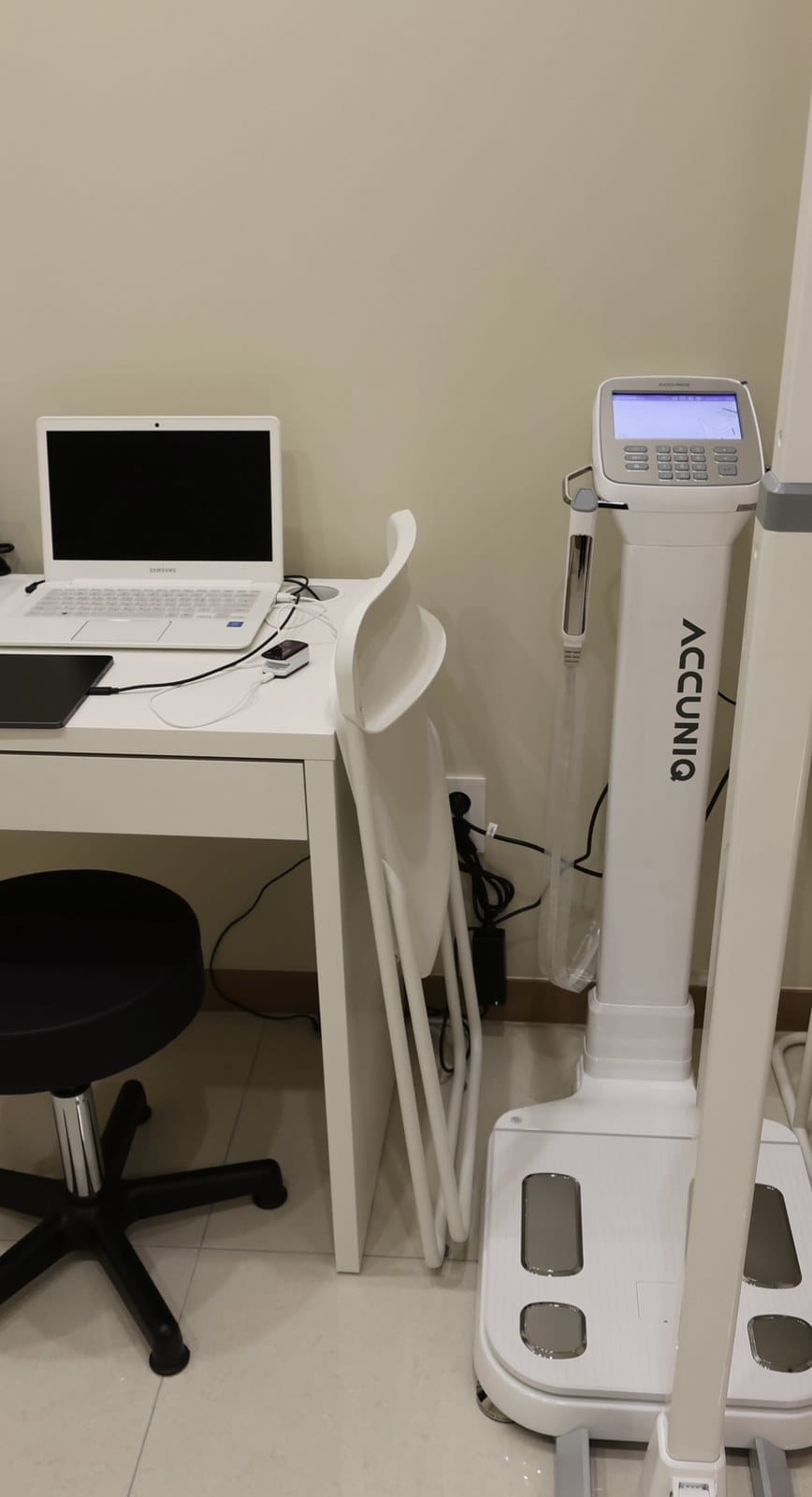
Through detailed consultation and specific constitutional diagnosis, we precisely identify the conditions driving your sleep disorder — including heat accumulation in the upper body, deficiency of heart blood, and liver qi stagnation. We provide customized herbal medicine treatment to calm an overexcited sympathetic nervous system and replenish depleted yin and blood, combined with acupuncture and moxibustion to restore blocked qi, blood, and lymphatic circulation, as well as chuna (spinal manipulation) therapy — all to create the conditions in which your body can naturally enter deep sleep on its own.
If you wake up every morning feeling unrefreshed despite adequate sleep, please do not continue to leave it unaddressed. Please visit Baha Korean Medicine Clinic to begin fundamental constitutional treatment that addresses both your chronic fatigue and underlying sleep disorder.