Frequent Colds and Chronic Rhinitis in Student-Age Patients: Why Condition Management Matters
Frequent colds and chronic rhinitis can affect sleep and concentration in exam students. Learn how Baha Korean Medicine Clinic in Daechi-dong approaches condition management.
Hello, this is Baha Korean Medicine Clinic.
Among students studying in Daechi-dong, many repeatedly experience colds and rhinitis symptoms during busy exam periods or packed tutoring schedules. Nasal discharge and congestion tend to worsen with each change of season, and once a cold sets in, recovery is often slow enough to disrupt their study plans.
For students preparing for exams, chronic rhinitis is more than just a nasal inconvenience. Blocked airways make breathing uncomfortable, quality sleep becomes harder to achieve, and the resulting fatigue can pile up day after day—creating a real burden over a prolonged study period.
When sleep deprivation, irregular meals, lack of exercise, and long hours at a desk are added to the picture, overall physical condition can deteriorate quickly.
For this reason, managing frequent colds and chronic rhinitis should go beyond treating symptoms alone. It is important to look at the student's immune status in the context of their sleep, fatigue levels, eating habits, academic schedule, and general physical condition as a whole.
The symptoms students with rhinitis most commonly report are nasal discharge, sneezing, and nasal congestion. Post-nasal drip—mucus draining down the back of the throat—and throat discomfort are also frequently present.
The problem arises when these symptoms repeat over an extended period.
When the nose is blocked, breathing naturally shifts to the mouth, and severe nighttime congestion can make it difficult to fall asleep comfortably. Students who feel they have slept long enough but still wake up unrefreshed, or who feel easily fatigued during the day, should have their sleep quality assessed as well.
For exam students, sleep is not simply rest. It is essential time for recovering from the day's fatigue and sustaining the next day's study sessions.
Therefore, students with chronic rhinitis should have not only their nasal symptoms evaluated, but also their sleep patterns, morning condition, daytime fatigue, and ability to concentrate.
Frequent Colds: Daily Rhythm and Overall Condition Must Be Considered Together
When a student catches colds frequently, it is easy to attribute this solely to a weakened immune system. However, an exam student's condition is never determined by a single cause.
Students in Daechi-dong who commute between school and tutoring academies spend most of the day at a desk, often studying late into the night. Sleep time naturally becomes insufficient, mealtimes grow irregular, and physical activity tends to decrease.
The rising stress and tension ahead of exams must also be taken into account.
When sleep, diet, activity level, stress, and respiratory symptoms all interact at once, it is more important to assess the student's overall current state than to simply conclude that their immunity is low.
If a student seems to recover from a cold only for nasal discharge or a cough to return shortly afterward, or if chronic rhinitis symptoms recur every change of season, it is worth examining both when the symptoms appear and what the student's daily routine looks like.
Immune Management for Exam Students Begins with a Healthy Daily Rhythm
The first area to review when managing an exam student's immune health is their basic lifestyle habits.
Avoiding excessive sleep reduction is essential. Repeatedly staying up late to extend study hours can allow fatigue to accumulate, so building a habit of going to bed at a consistent time whenever possible is beneficial.
Not skipping meals is equally important. Skipping meals or replacing them with quick snacks in the name of staying focused on studying can make it difficult to maintain balanced nutrition.
For students who sit for long periods, moving the body—even briefly—is helpful. Developing a habit of taking short walks or doing light stretching to loosen a stiff body is worthwhile.
In addition, ventilating indoor spaces regularly, maintaining appropriate humidity levels, and keeping bedding and the surrounding environment clean can also help in managing rhinitis symptoms.
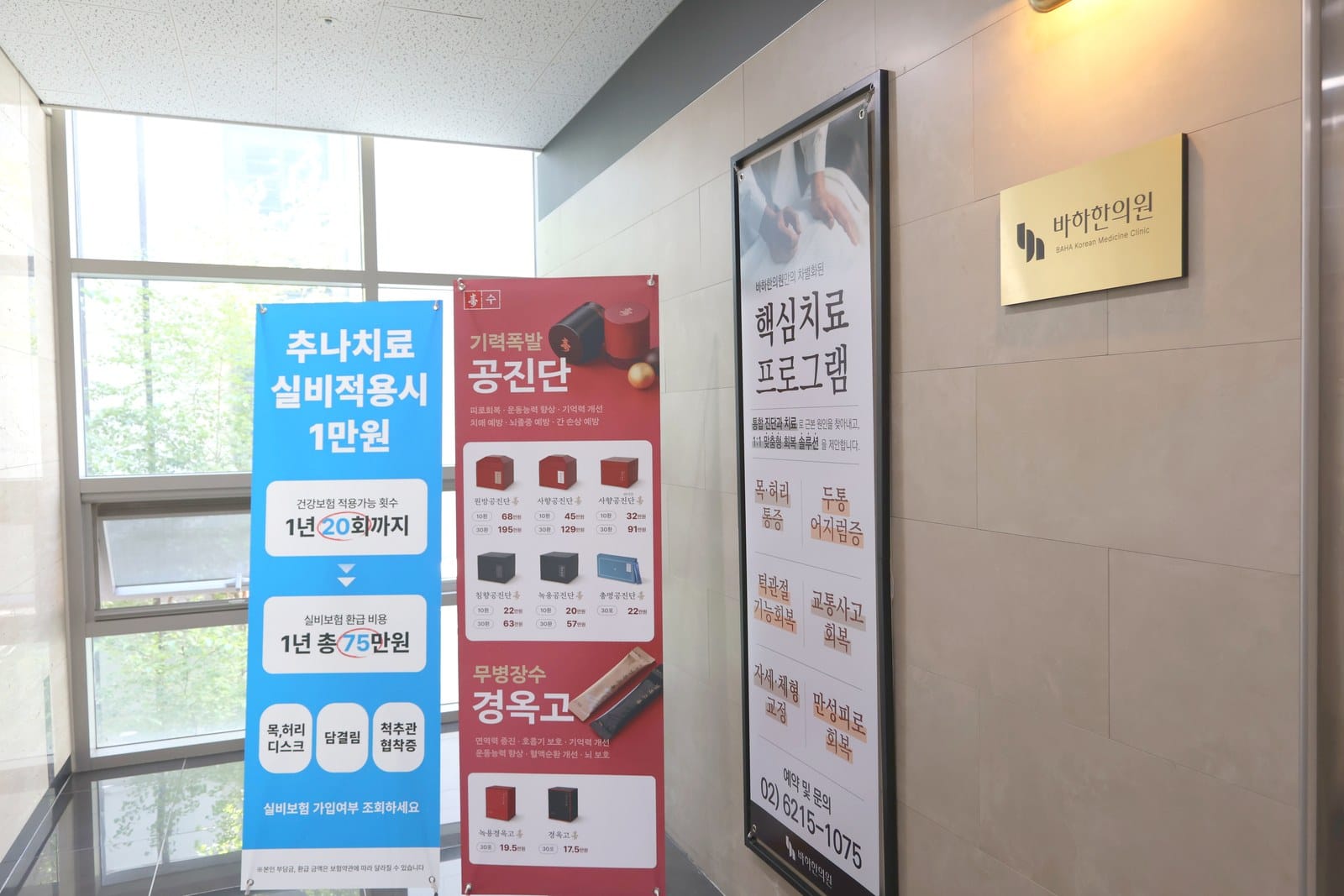
At Baha Korean Medicine Clinic in Daechi-dong, treatment and management are carried out with consideration for each student's individual condition, academic schedule, and daily routine.
This is because even students with the same chronic rhinitis or fatigue symptoms may differ in how those symptoms present, in their constitution, and in their living environment.
Through a detailed consultation, sleep patterns, diet, fatigue levels, and study load are reviewed, and the current symptoms along with the student's overall physical state are assessed comprehensively before determining the appropriate direction for Korean medicine treatment.
In particular, for students whose physical stamina and condition have declined after a prolonged period of exam preparation, herbal medicine formulated with the individual's constitution and current state in mind may be prescribed.
When fatigue has accumulated over a long period of studying, a herbal formula based on Chongmyeongtang may be considered, tailored to the student's constitution and present condition.
Chongmyeongtang and antler-based tonic herbal medicines are prescribed with a focus on replenishing Qi and Blood that tend to become deficient during exam preparation and on supporting overall condition management; the composition may vary according to the student's constitution and current state.
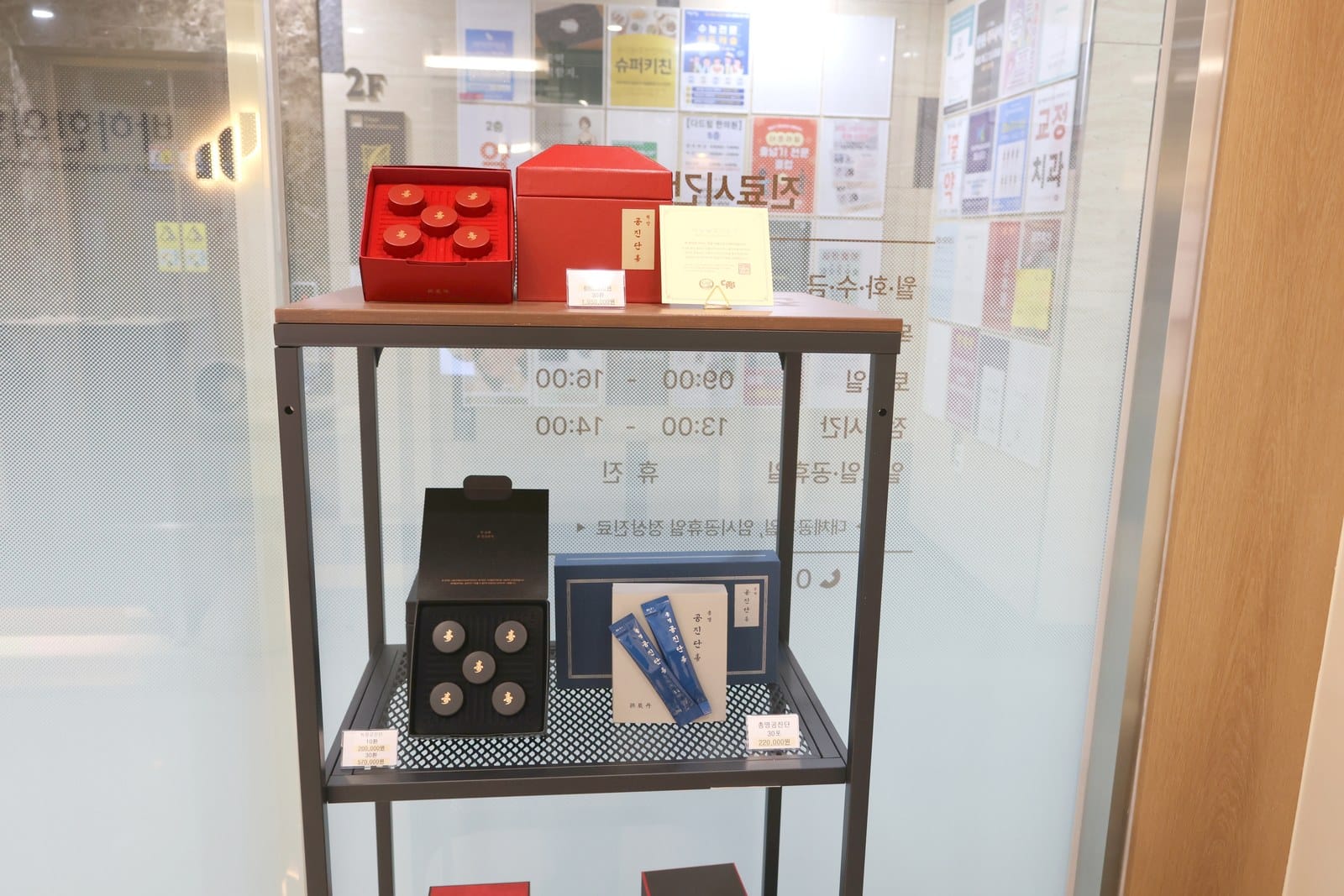
Chongmyeong Gongjindan may also be considered in light of an exam student's stamina and condition when fatigue has accumulated from academic demands, and Nongnyeong Gyeongokgo may be considered for students who report declining stamina and persistent fatigue from extended studying, following a review of their constitution and current state.
It is important to note, however, that herbal medicine is not applied in the same way to every student. A comprehensive assessment of age, constitution, symptoms, and daily routine is necessary before prescribing in a direction suited to the individual.
Acupuncture, moxibustion, and other Korean medicine treatments may also be used in combination as needed, depending on the student's current symptoms and physical condition.
Studying Well Requires a Body That Is in a Condition to Study
As exams approach, students tend to cut back on sleep and try to extend their study hours. However, simply increasing study time while nasal congestion, frequent colds, and fatigue continue to recur does not necessarily lead to better results.
In fact, when condition declines, the actual time spent concentrating may shorten even while sitting at a desk for longer hours.
For this reason, health management for exam students should not be viewed as separate from studying, but rather as part of the process of maintaining a stable condition throughout a long period of preparation.
It is worth paying close attention to whether the nose is severely blocked upon waking in the morning, whether fatigue persists despite what feels like adequate sleep, and whether cold and rhinitis symptoms are repeating.
Baha Korean Medicine Clinic in Daechi-dong does not focus solely on the symptoms currently presenting. Treatment and immune management are carried out with comprehensive consideration of each student's constitution and condition, sleep and lifestyle habits, and academic schedule.
If frequent colds and chronic rhinitis are causing your condition to deteriorate while studying, rather than simply pushing through and increasing your workload, please take the time to assess your current physical state.
Because exam preparation is not a process that ends quickly, managing the healthy condition needed to sustain consistent studying is just as important as the volume of study you put in right now.